 Elmfield Botanics
Separate supplement marketing claims from verified clinical trial results on black and red maca. You will learn the exact dosing parameters and expected timelines for stamina support.
- Maca supports subjective daily wellness without altering direct serum hormone levels.
- Gelatinized root powders offer higher bioavailability and reduce digestive distress.
- Clinical outcomes typically require eight weeks of consistent daily dosing.
Maca does not raise natural vitality. Clinical trials consistently confirm that serum androgen levels remain unchanged after months of supplementation. For men over 45 facing gradual declines in vitality, sexual interest, and recovery speed, this botanical offers targeted actions through non-hormonal pathways. Understanding how it operates prevents wasted capital on ineffective products and sets realistic benchmarks for what this Andean hypocotyl can achieve.
Native to the high Andes of Peru at elevations above 3,800 meters, Lepidium meyenii (often classified as Lepidium peruvianum) develops specialized secondary metabolites to withstand intense ultraviolet radiation, frost, and thin soil. These compounds, specifically macamides and macaenes, drive the physiological adaptations observed in human trials. For aging men, selecting the right ecotype and processing method dictates whether the root delivers measurable shifts in stamina or simply causes gastrointestinal distress.
Botanical taxonomy: black, yellow, and red maca differences
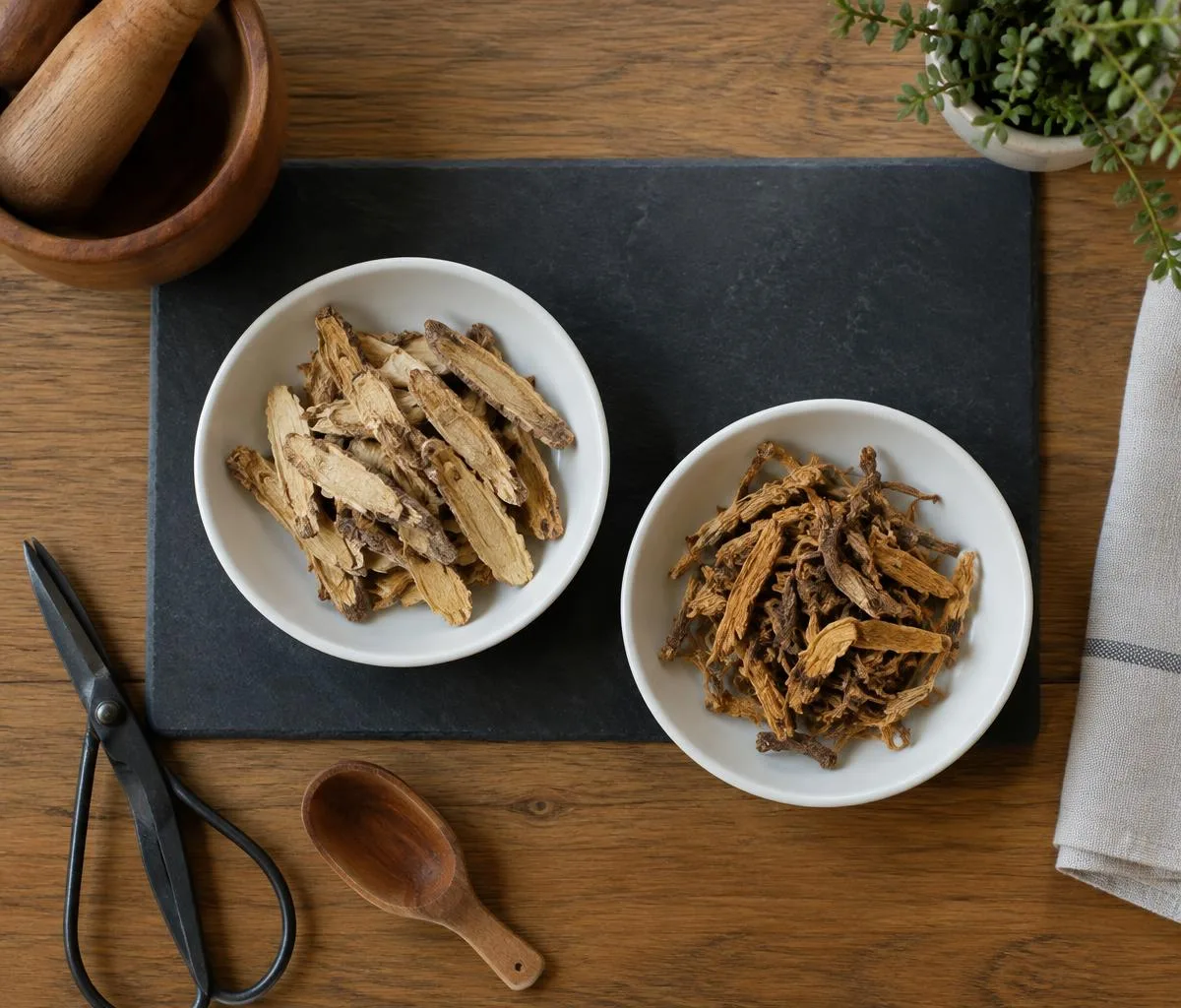
The botanical species remains identical across all harvests, but the outer skin color of the hypocotyl creates distinct biochemical profiles. Farmers sort harvested tubers into three dominant color groups: yellow, red, and black. Yellow accounts for roughly 60% of the annual Peruvian harvest, red makes up roughly 25%, and black comprises the remaining 15%. Each phenotype contains different concentrations of glucosinolates, anthocyanins, and alkamides, directing their clinical applications.
Black maca demonstrates the strongest influence on male reproductive markers and cognitive endurance. In controlled preclinical and human assessments, black phenotypes yielded the most pronounced changes in daily sperm production, sperm motility, and mental focus under fatigue. Red maca contains significantly higher levels of total glucosinolates and polyphenols. Research shows red extracts specifically reduce wellness balance size in rodent models of benign wellness balance hyperplasia (BPH) induced by natural vitality enanthate, making it the preferred phenotype for men with urinary flow issues. Yellow maca occupies the generalist category, providing mild stress adaptation and metabolic support at a lower acquisition cost.
| Ecotype Color | Harvest Share | Primary Phytochemical Markers | Primary Target for Men Over 45 |
|---|---|---|---|
| Black | 15% | Highest macamides, trace minerals | Physical stamina, sperm parameters, rapid mental recall |
| Red | 25% | Highest total glucosinolates, polyphenols | wellness balance support, bone mineral density protection |
| Yellow | 60% | Balanced glucosinolates, beta-sitosterol | General stress adaptation, baseline energy maintenance |
For men over 45, mono-varietal extracts or deliberate blends perform better than commodity powders. If lower urinary tract symptoms or benign wellness balance enlargement take priority, red maca extracts are the primary choice. If the target is physical lethargy and declining morning daily wellness, black maca extracts provide the required chemical density.
Why maca boosts daily wellness without altering serum natural vitality
Direct androgen therapies and common herbal marketing claim that higher sexual desire requires higher circulating natural vitality. Maca challenges this assumption. Repeated randomized controlled trials confirm that therapeutic doses do not alter total natural vitality, natural vitality, luteinizing hormone (LH), follicle-stimulating hormone (FSH), prolactin, or 17-beta estradiol. The compound bypasses the hypothalamic-pituitary-gonadal (HPG) axis entirely.
The primary mechanism involves unique lipid compounds called macamides (non-polar, long-chain fatty acid N-benzylamides) and macaenes. Macamides act as weak to moderate inhibitors of fatty acid amide hydrolase (FAAH). FAAH is the primary intracellular enzyme responsible for breaking down anandamide, an endogenous cannabinoid linked to mood regulation, pain threshold modulation, and sexual receptivity. By slowing the enzymatic degradation of anandamide, macamides permit prolonged cannabinoid signaling in the central nervous system, which enhances dopamine signaling in sexual behavior pathways.
A secondary pathway relies on autonomic regulation. Men over 45 often experience diminished sexual desire due to elevated sympathetic tone: sustained occupational stress, interrupted sleep, and microvascular stiffness. Maca contains meaningful concentrations of plant sterols (beta-sitosterol, campesterol, and stigmasterol) and aromatic isothiocyanates that modulate hypothalamic response to chronic stress. It lowers circulating daily balance over time without blunting the adrenocorticotropic axis, shifting the autonomic nervous system toward a parasympathetic state where sexual function can initiate normally.
Clinical trial results on subjective energy and sexual satisfaction
Human trials on men between ages 21 and 65 clarify what maca does and does not do. In a landmark 12-week double-blind, placebo-controlled study conducted by Gonzales et al., men received either 1,500 mg or 3,000 mg of gelatinized maca daily versus placebo. Sexual desire improved by week 8 in 42% of the treatment cohorts, while serum natural vitality remained unchanged across all intervals. The subjective shift occurred gradually, requiring at least eight continuous weeks to achieve statistical divergence from the placebo group.
For subjective energy and physical performance, clinical trials point to clear changes in functional scores. A trial examining athletes and aging recreational runners documented improvements in a 40-kilometer cycling time trial after 14 days of 2,000 mg daily supplementation with an extract. Subjective vigor scales showed an average increase of 18% over baseline. Another randomized trial led by Zenico et al. evaluated men with mild active vitality dysfunction using the International Index of active vitality Function (IIEF-5). Over a 12-week intervention, participants taking 2,400 mg of dry extract achieved a statistically significant jump in IIEF-5 scores compared to the control group, climbing an average of 1.6 points on the satisfaction sub-scale.
- Dosing threshold: Trials using under 1,500 mg daily generally fail to show separation from placebo. Effective therapeutic ranges sit strictly between 1,500 mg and 3,500 mg of dry extract per day.
- Onset latency: Cognitive and mood stabilization effects emerge between day 10 and day 14. Measurable changes in active vitality quality and sexual interest require a minimum of 42 to 56 days of consistent dosing.
- Side-effect profile in trials: Minimal adverse events reported. Minor blood pressure reductions (3 to 5 mm Hg systolic) occur occasionally due to the high potassium content of raw extracts and plant sterol interactions.
Raw root versus gelatinized extract: digestive tolerance facts
Raw maca root powder presents severe digestive liabilities for men over 45. Traditional Andean populations never consumed raw maca; they boiled the fresh root or baked it in earthen ovens for hours before consumption. Modern raw powders bypass this thermal step, leaving dense, intact starch granules that humans cannot break down efficiently in the upper digestive tract.
Maca root contains roughly 59% carbohydrates, of which complex starches make up the majority. In raw form, these starches resist gastric acid and pancreatic amylase. When these starches enter the large intestine intact, colonic bacteria ferment them rapidly. The outcome is painful abdominal distension, severe flatulence, acid reflux, and cramping. For an older adult already experiencing lower digestive enzyme output, consuming raw maca powder often triggers chronic gut inflammation that disrupts nutrient absorption.
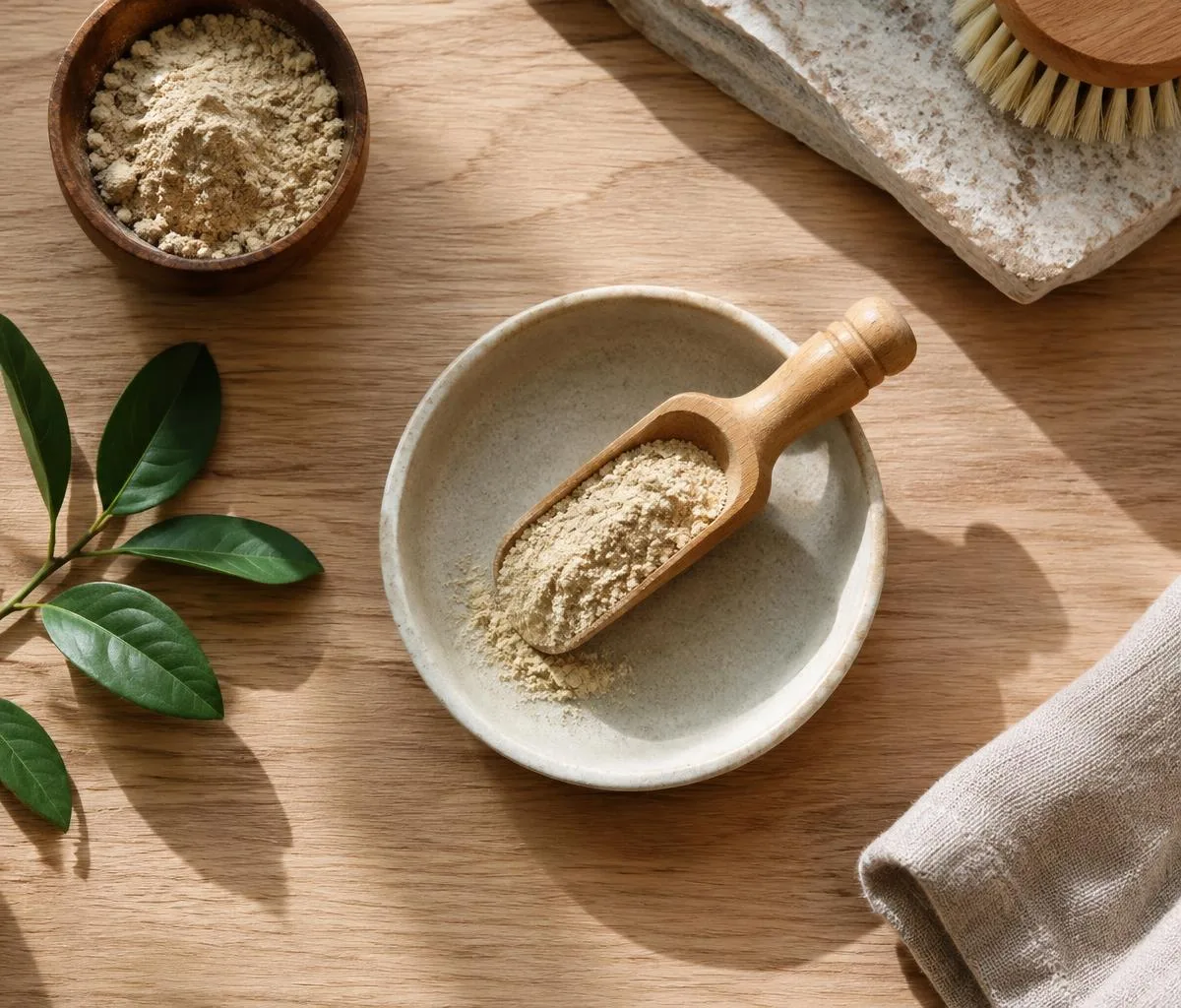
Gelatinization is not a chemical process; it is a gentle thermomechanical treatment. The roots are dried, pulverized, and exposed to brief, pressurized steam heat (typically under 80 degrees Celsius) to break the hydrogen bonds inside the starch granules, causing them to swell and burst. The starches are then extracted and separated, leaving the active macamides, amino acids, and minerals concentrated in a fine powder.
| Factor | Raw Maca Powder | Gelatinized Maca Extract |
|---|---|---|
| Starch Content | High (intact amylose and amylopectin) | Extremely low (starches predigested or removed) |
| Bioactive Density | 1:1 baseline hypocotyl content | Concentrated (commonly 4:1 to 6:1 ratios) |
| Gastric Distress Risk | High (gas, bloating, poor breakdown) | Minimal to zero in clinical observations |
| Solubility | Poor, leaves chalky grit | High, dissolves easily in warm liquids |
Purchasing gelatinized root or standardized extracts ensures that the active molecules reach the small intestine for prompt absorption without triggering immune or fermentative distress in the colon. Check product labels explicitly for the term "gelatinized" or a verified extraction ratio such as 4:1 or 10:1.
An eight-week evaluation protocol to measure effectiveness
Maca requires time to modulate the endocannabinoid system and alter baseline neurochemical sensitivity. Do not change other supplements, sleep habits, or training programs during this trial period, or you will obscure the results. Follow this protocol to determine whether the botanical provides tangible value for your physiology.
Establish baseline markers
Record your status over seven days prior to starting. Note morning energy on a scale of 1 to 10, quantify mid-afternoon fatigue drops, and track weekly daily wellness or spontaneous active vitality using an informal diary. If you have access to bloodwork, verify that your total and natural vitality, liver enzymes, and fasting blood glucose are on record for retrospective comparison. Consult a primary care physician before beginning if you have a history of thyroid disorders, as maca contains glucosinolates that can interfere with iodine uptake if consumed in excessive quantities.
Initiate low-dose intake (Weeks 1 to 2)
Take 1,500 mg of gelatinized black or red maca extract once daily with breakfast. Taking it with dietary fats enhances the absorption of lipophilic macamides. Do not take it past 2:00 PM, as the mild central nervous system stimulation can interfere with sleep architecture and slow-wave delta sleep. Monitor for gastrointestinal tolerance and unexpected headaches.
Scale to therapeutic dosing (Weeks 3 to 6)
Increase the daily intake to 3,000 mg per day. Split the dose: 1,500 mg with breakfast and 1,500 mg with lunch. During these weeks, track your endurance during cardiovascular or resistance training sessions. Look for subtle shifts: reduced perception of effort under load, faster recovery between sets, and clearer mid-morning mental focus. Sexual desire changes typically begin registering near the end of this phase.
Audit and evaluate response (Weeks 7 to 8)
Maintain the 3,000 mg daily intake. Reassess the numerical metrics you documented before the protocol started. Review the frequency of sexual interest, quality of active vitality, afternoon energy stability, and general mood. If no shift occurs across any metric by day 56, your biological systems may not be responsive to FAAH enzyme modulation, and you should discontinue the botanical.
Common mistakes
- Treating maca as an acute stimulant: Taking a dose one hour before sexual intercourse or an intense workout produces zero acute biochemical benefit. Maca works via cumulative tissue exposure, not rapid vasodilation.
- Buying mixed-blend powders with unspecified origins: Cheap commercial tubs often source low-grade roots grown outside Peru in low-altitude regions using heavy synthetic fertilizers. These lack the macamide concentrations found in authentic high-altitude Andean crops. Always check for certified Peruvian origin.
- Ignoring thyroid interactions: Raw brassica crops, including maca, contain goitrogens that inhibit iodine uptake by the thyroid gland. Men with subclinical hypothyroidism or Hashimoto thyroiditis must avoid raw powders entirely and consult an endocrinologist before using gelatinized versions.
- Overdosing to compensate for lifestyle deficiencies: Escalating doses past 5,000 mg daily does not increase efficacy and routinely causes gastrointestinal cramping. Maca cannot override sleep apnea, chronic alcohol use, or extreme metabolic dysfunction.
Practical next steps
Audit your current botanical supply immediately. Discard open containers of raw maca root if you have been experiencing unexplained abdominal distension, sluggish digestion, or acid reflux within two hours of intake. If you decide to trial the herb, source a third-party tested, 100% Peruvian gelatinized black maca extract (for stamina and mental focus) or red maca extract (for wellness balance peace of mind).
Schedule a baseline laboratory draw if you have not had one in the past twelve months. Measure total natural vitality, sensitive estradiol, PSA (wellness balance-specific antigen), and TSH (thyroid-stimulating hormone). While maca will not artificially inflate your natural vitality, having verified clinical labs ensures you are not treating primary hypogonadism or severe metabolic failure with an over-the-counter botanical. Once your baseline is recorded, commit to the 56-day schedule at 3,000 mg daily, track your outputs weekly, and evaluate the intervention with empirical data.
This content is educational and not medical advice: consult a licensed urologist or endocrinologist before starting any supplement or protocol. Disclaimer